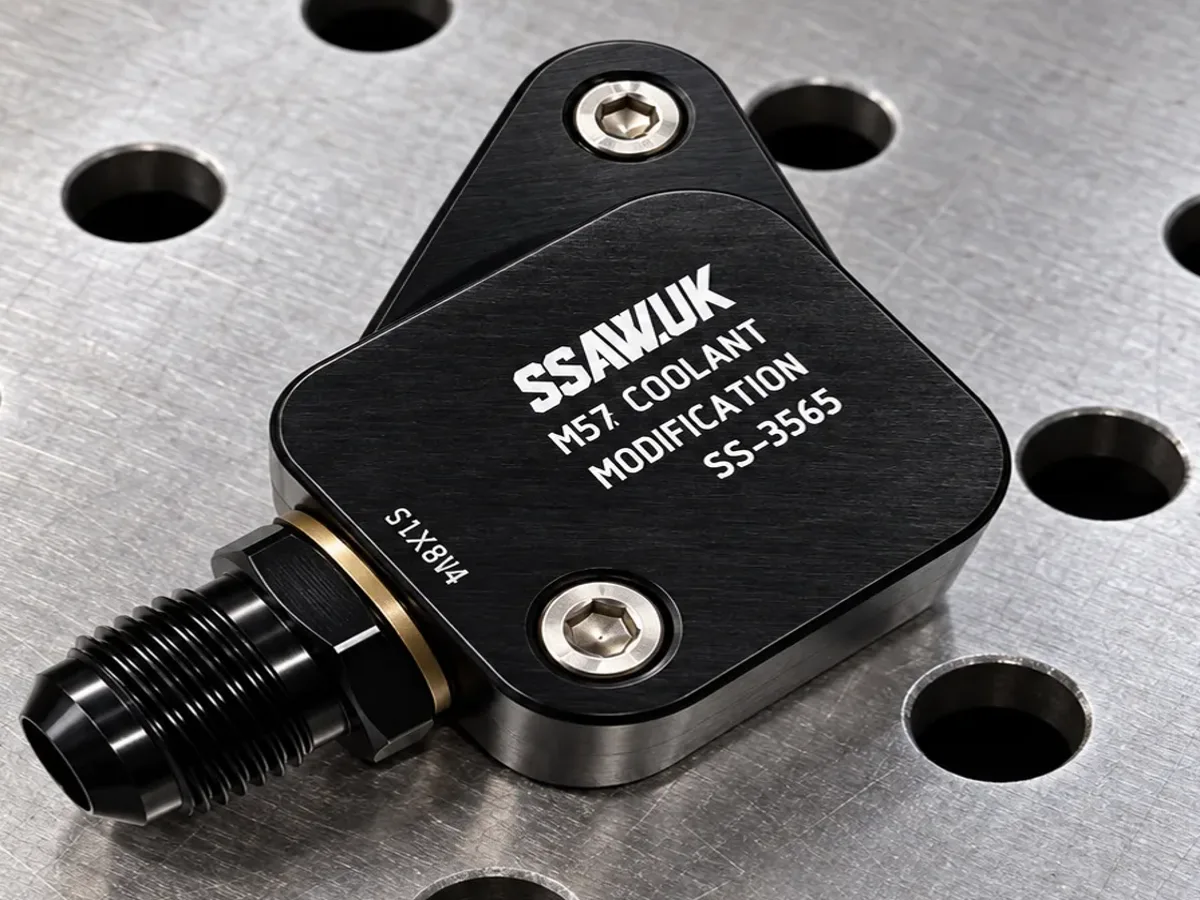
Metal 3D printing in the UK for shapes that cannot be machined
Laser powder bed fusion builds a part one layer at a time from metal powder. It produces internal channels, lattices, consolidated assemblies and shapes that cannot be machined or cast, in stainless, aluminium, titanium and Inconel.
Partner shops print metal parts to our drawings. We review the design for printing first, machine critical faces after the build, and check and finish every part in our Hull workshop. If machining or casting would serve you better, we say so before you spend anything.
Where metal 3D printing beats machining and casting
Internal channels
Cooling passages, conformal channels and manifolds that follow the part shape instead of straight drilled holes.
Hull · UK-wideLattices and weight reduction
Lattice infill and organic load paths that take weight out of a bracket or housing without losing stiffness.
Hull · UK-widePart consolidation
A welded or bolted assembly of several pieces printed as one part, with no joints to leak or loosen.
Hull · UK-wideNo tooling
One-offs and short runs manufactured without patterns, moulds or dies. A design change needs only a new file.
Hull · UK-wideObsolete parts
Scanned, modelled and printed in a suitable alloy when the original is no longer manufactured.
Hull · UK-wideHard-to-machine alloys
Titanium and Inconel parts printed near net shape, with only the critical faces machined afterwards.
Hull · UK-wideMetal 3D printing process and materials
| Process | Laser powder bed fusion (DMLS / SLM), built by specialist additive partners. Design review, checking and finishing are ours. |
|---|---|
| Materials | Stainless 316L and 17-4PH, aluminium AlSi10Mg, titanium Ti6Al4V, Inconel 718 |
| Build volume | Typically 250 x 250 x 300 mm; larger on request |
| Tolerance | ±0.1 to 0.2 mm as built; machined features to drawing |
| Post-processing | Support removal, stress relief, HIP (hot isostatic pressing), machining, bead blast, polish |
| Lead time | Typically one to two weeks including finishing |
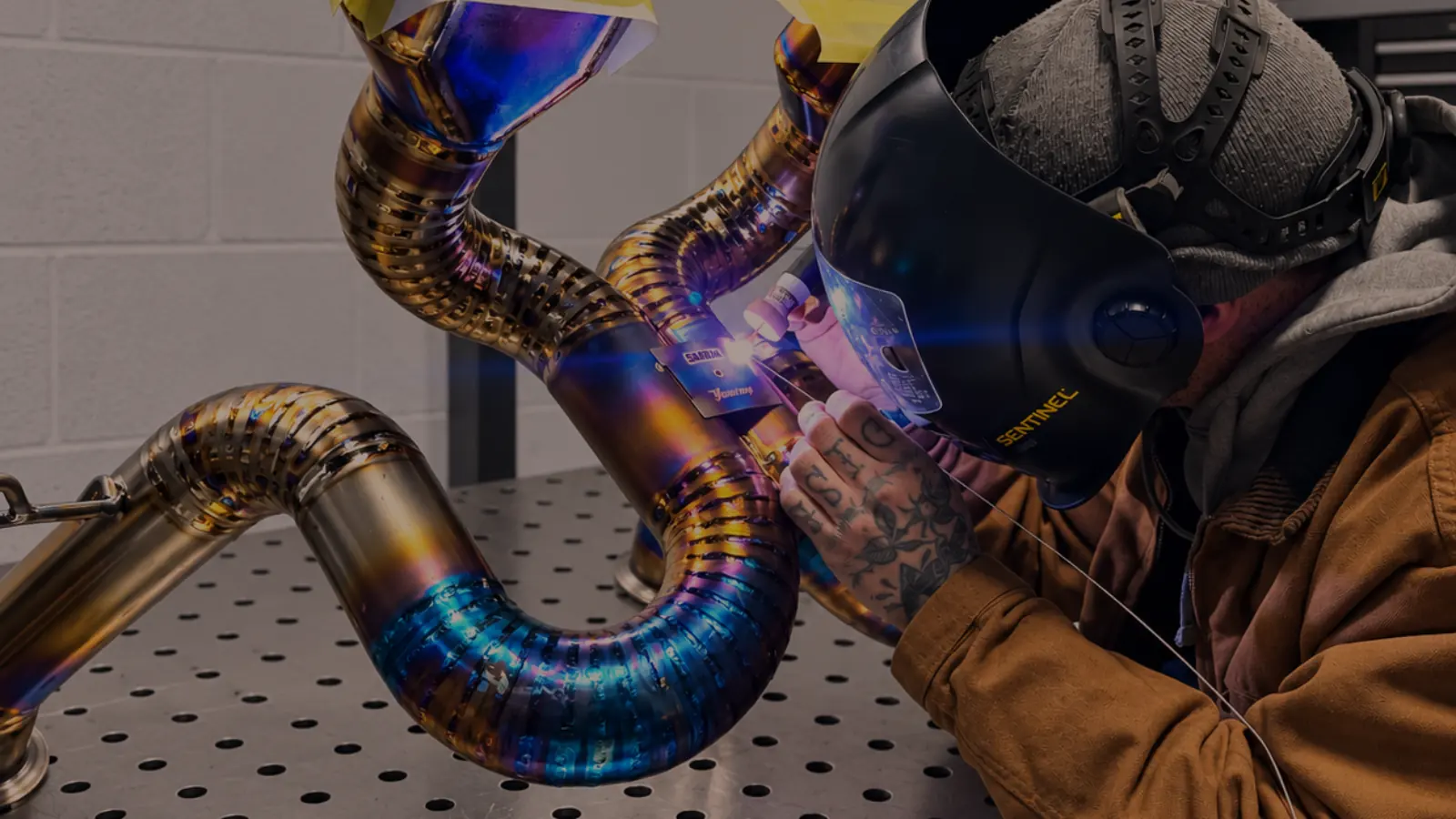
Critical faces are machined after printing so the part meets the drawing.
As-built accuracy is ±0.1 to 0.2 mm. Bores, threads and mating faces are machined to tolerance before the part is checked and shipped.
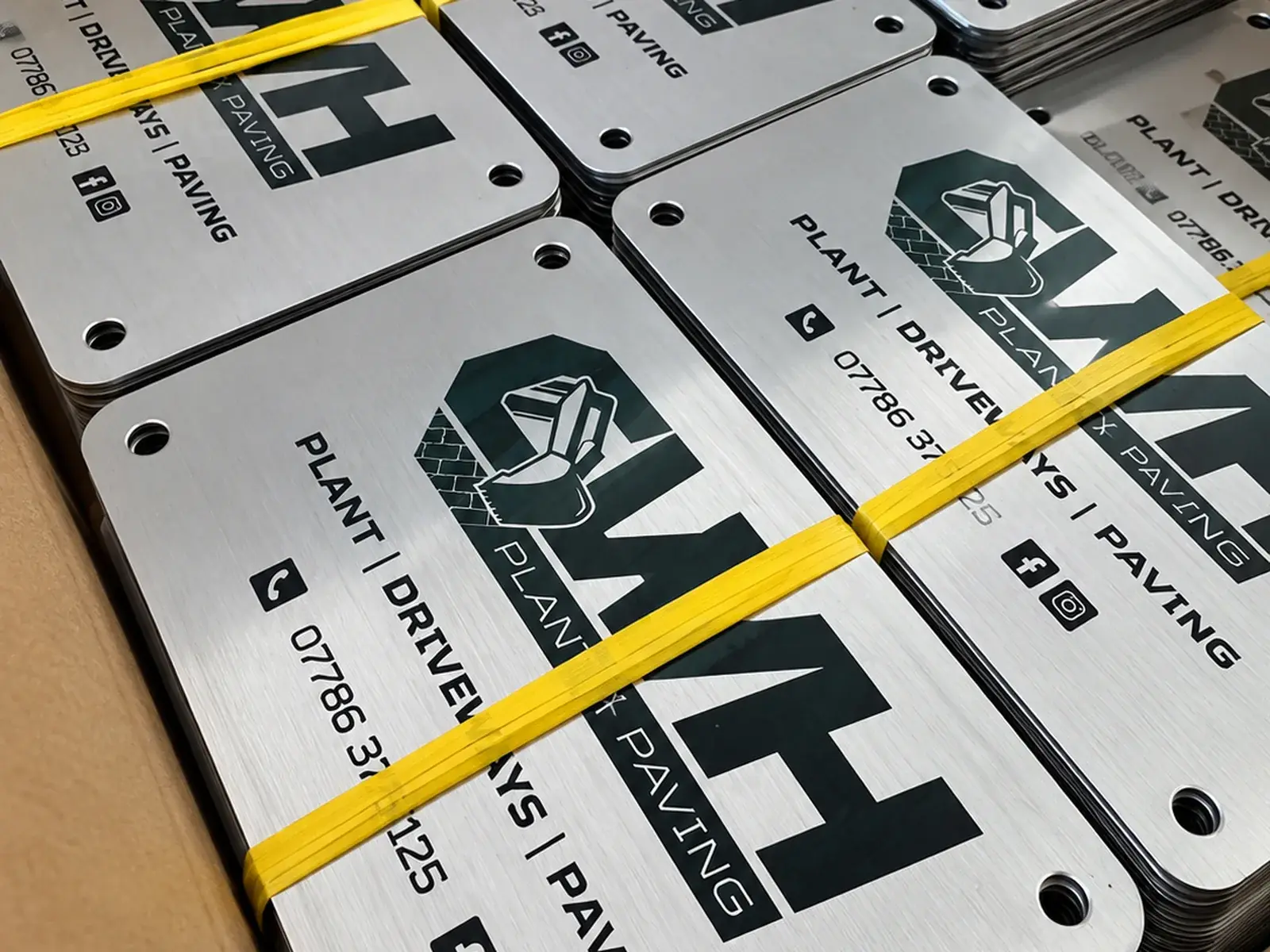
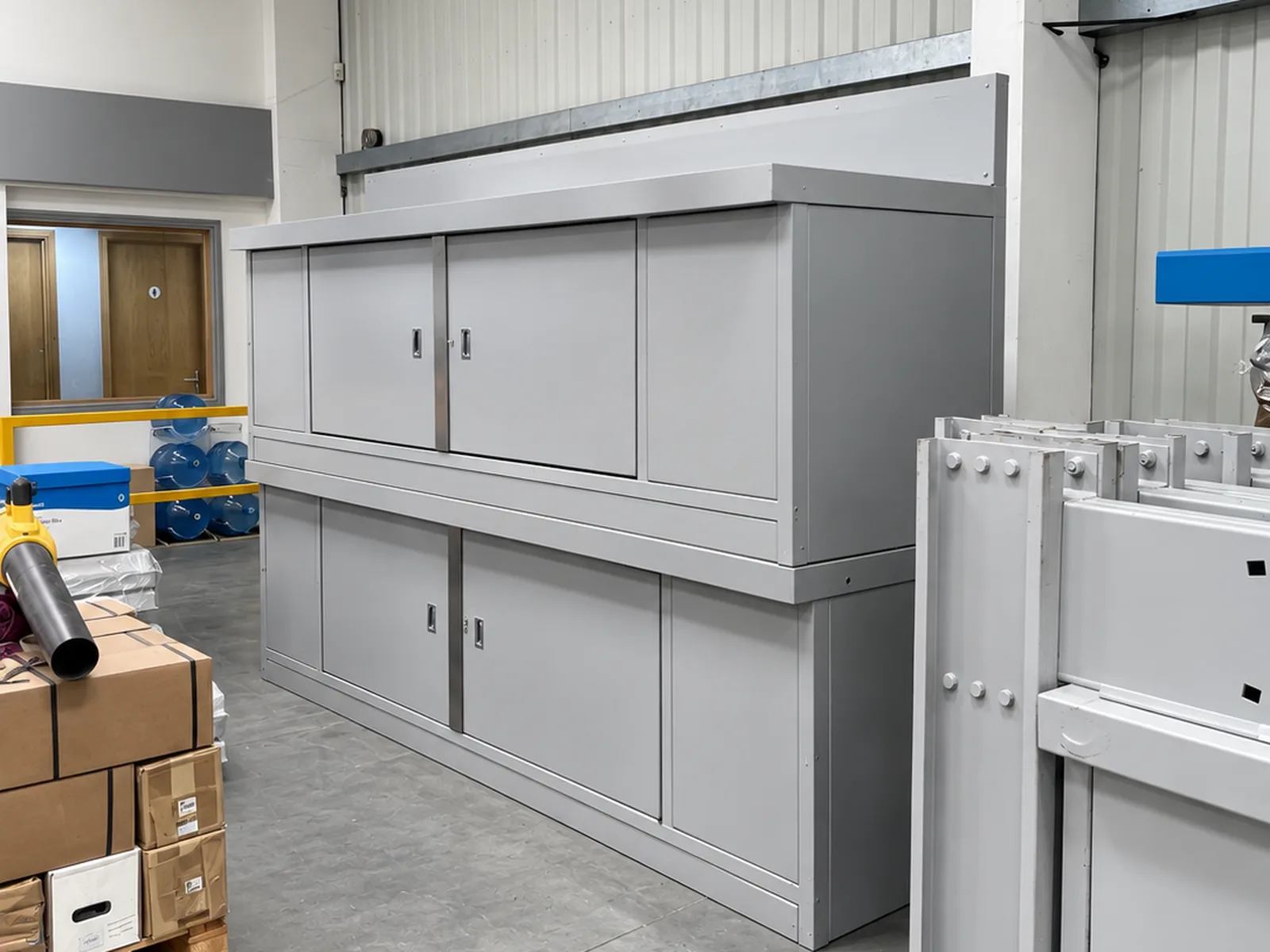
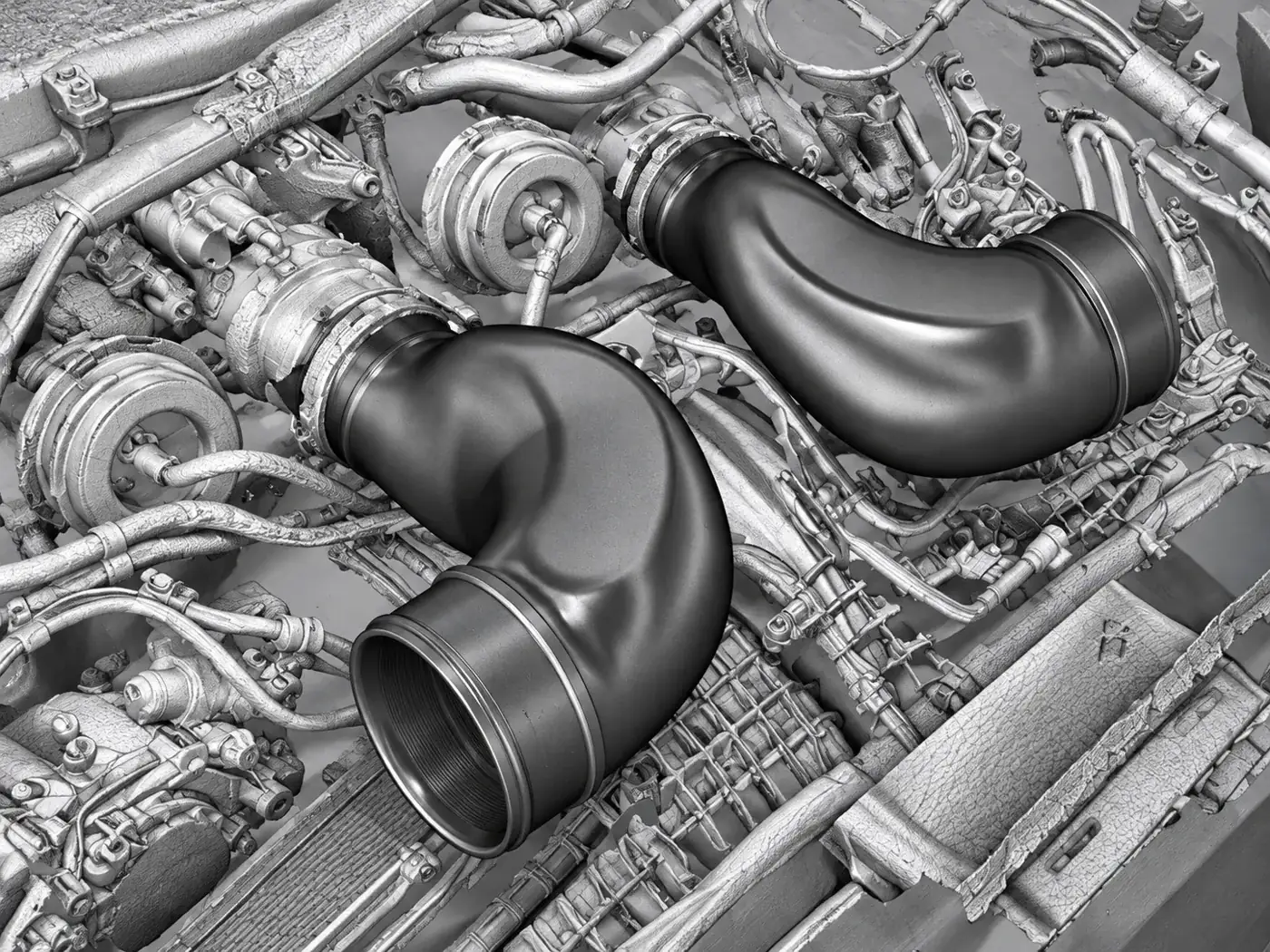
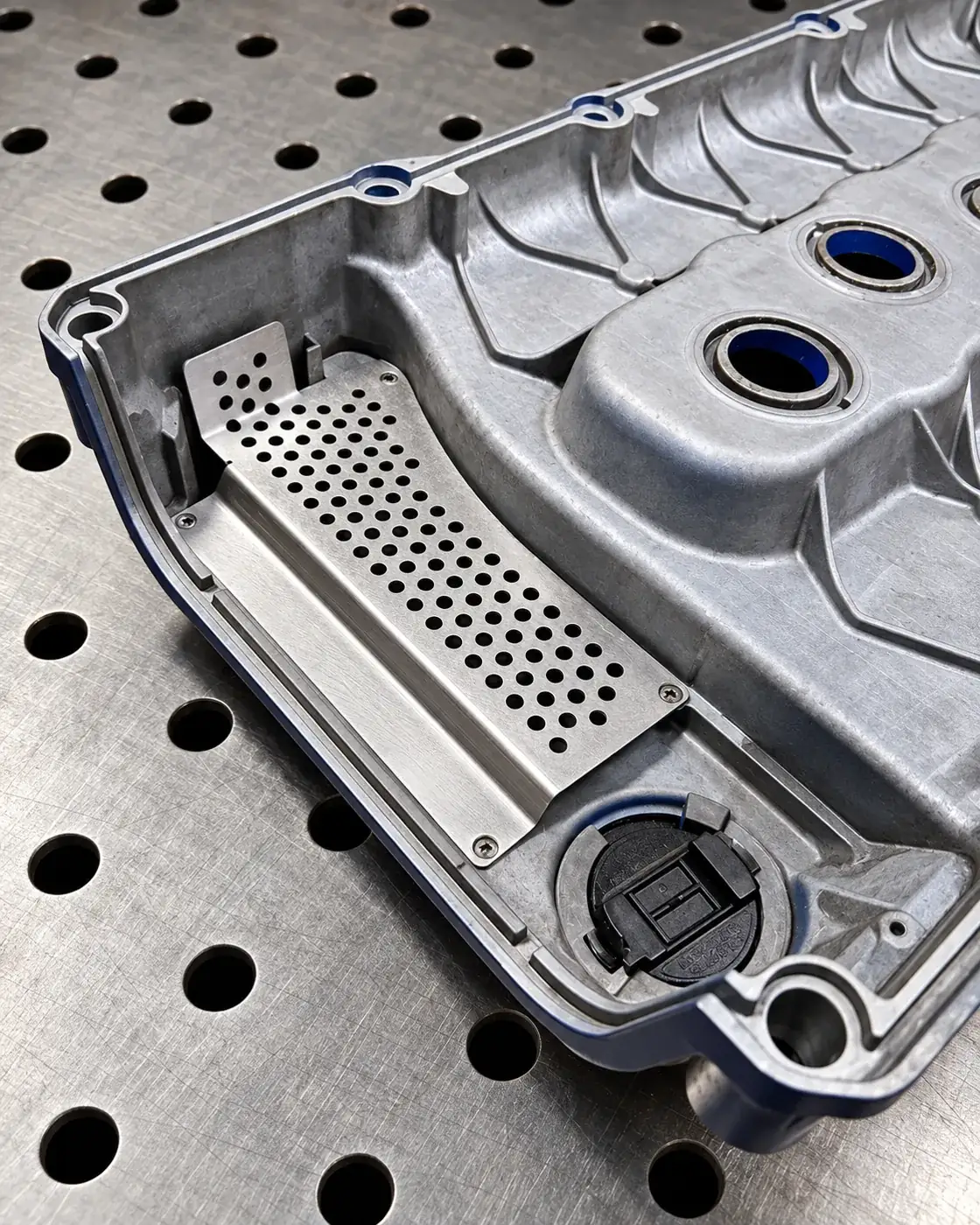
Recent work from our Hull workshop
Metal 3D printing questions
Not covered here? Call or WhatsApp and ask.
What is metal 3D printing?
A laser melts fine metal powder layer by layer, typically 20 to 60 microns at a time, to build a fully dense part. DMLS and SLM are two names for the same family of process.
Which metals can you print?
Stainless 316L and 17-4PH, aluminium AlSi10Mg, titanium Ti6Al4V and Inconel 718. Other alloys on request.
How accurate is it?
Around ±0.1 to 0.2 mm as built, with a surface finish similar to a fine casting. Anything that matters for fit is machined afterwards, so we review the design for machining allowance before printing.
What does metal 3D printing cost?
Price depends on material volume, alloy, build height and finishing. We quote a fixed price from your CAD.
Can you print threads?
Coarse threads, yes. Fine or load-bearing threads are tapped or thread-milled afterwards, and we allow for that in the design review.
When should I machine instead?
For simple shapes, large parts, batches and parts where the whole surface needs a tight tolerance. We say if printing is the wrong tool. Often the answer is to print the shape and machine the fits.
Related services
3D printing & prototyping
Working parts printed in carbon-fibre nylon, polycarbonate and other engineering filaments.
Hull · UK-wide
CNC machining
Milled and turned parts in steel, stainless, aluminium, titanium, brass and engineering plastics, manufactured to your drawing and inspected to it before they leave.
Hull · UK-wide
Steel fabrication
Frames, skids, guards, platforms, brackets and one-off parts in mild steel, stainless, aluminium and titanium.
Hull & East YorkshireSend a photo or a drawing for a price
WhatsApp 07364 137317 · Call 01482 530020 · info@onmet.uk