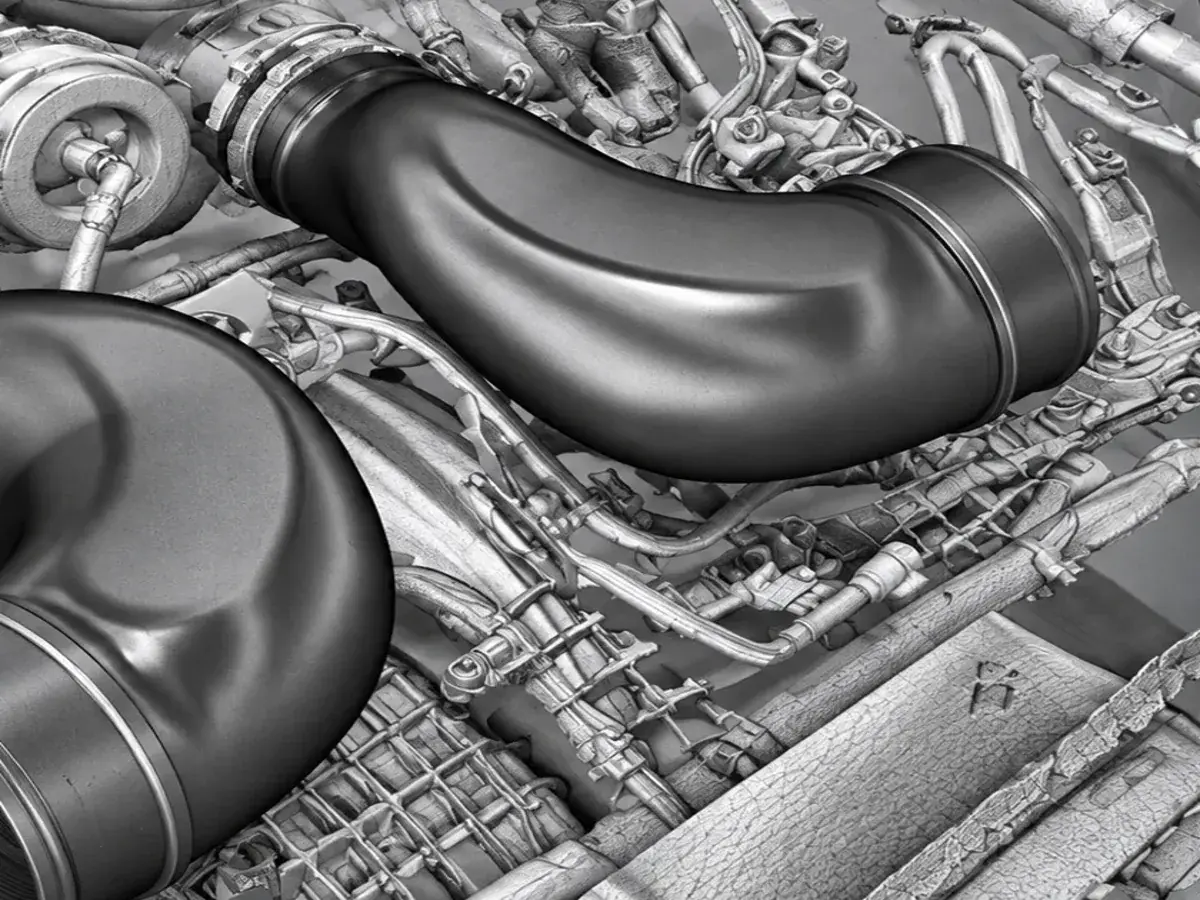
Advanced polymer printing for parts people do not expect to print.
Engineering-grade filaments have moved polymer printing from models to working parts. Carbon-fibre nylon, polycarbonate, PA12, ASA, PETG and TPU cover stiff, hot, outdoor and flexible duties, and most parts are ready in two to three working days.
We use it for jigs, fixtures, soft jaws, guards, brackets, enclosures, low-volume tooling and replacement parts for machines nobody supports any more.
The parts we print most.
Jigs and fixtures
Weld jigs, drill guides, assembly fixtures and inspection gauges printed to the CAD.
Hull · UK-wideSoft jaws and workholding
Vice jaws and nests shaped to the part, so machined and fabricated items are held without marking.
Hull · UK-wideGuards, covers and enclosures
Sensor housings, control box enclosures, belt guards and covers in ASA or polycarbonate for heat and UV.
Hull · UK-wideBrackets and mounts
Cable, sensor and panel brackets in carbon-fibre nylon where a folded steel bracket would be heavier or slower to make.
Hull · UK-wideParts for obsolete machines
Handles, knobs, guides, feed fingers and gears for equipment the maker no longer supports, modelled from the worn original.
Hull · UK-wideForm and fit before metal
A printed version of a machined or fabricated part to check fit on the machine before the metal is ordered.
Hull · UK-wideMaterials and capability
| Materials | Carbon-fibre nylon, nylon PA12, polycarbonate, PETG, ASA, TPU (flexible) |
|---|---|
| Material choice | Carbon-fibre nylon for stiffness and wear; polycarbonate for heat; ASA for outdoor UV; PETG for general parts; TPU for seals, feet and grips |
| Tolerance | Typically ±0.2 mm on well-designed parts; holes reamed or inserts fitted where fits matter |
| Part size | Up to roughly 300 mm in a single piece; larger parts printed in sections and bonded or bolted |
| Lead time | Two to three working days for most parts, from the file being agreed |
| Inserts and hardware | Heat-set threaded inserts, bonded steel bushes and captive nuts fitted before dispatch |
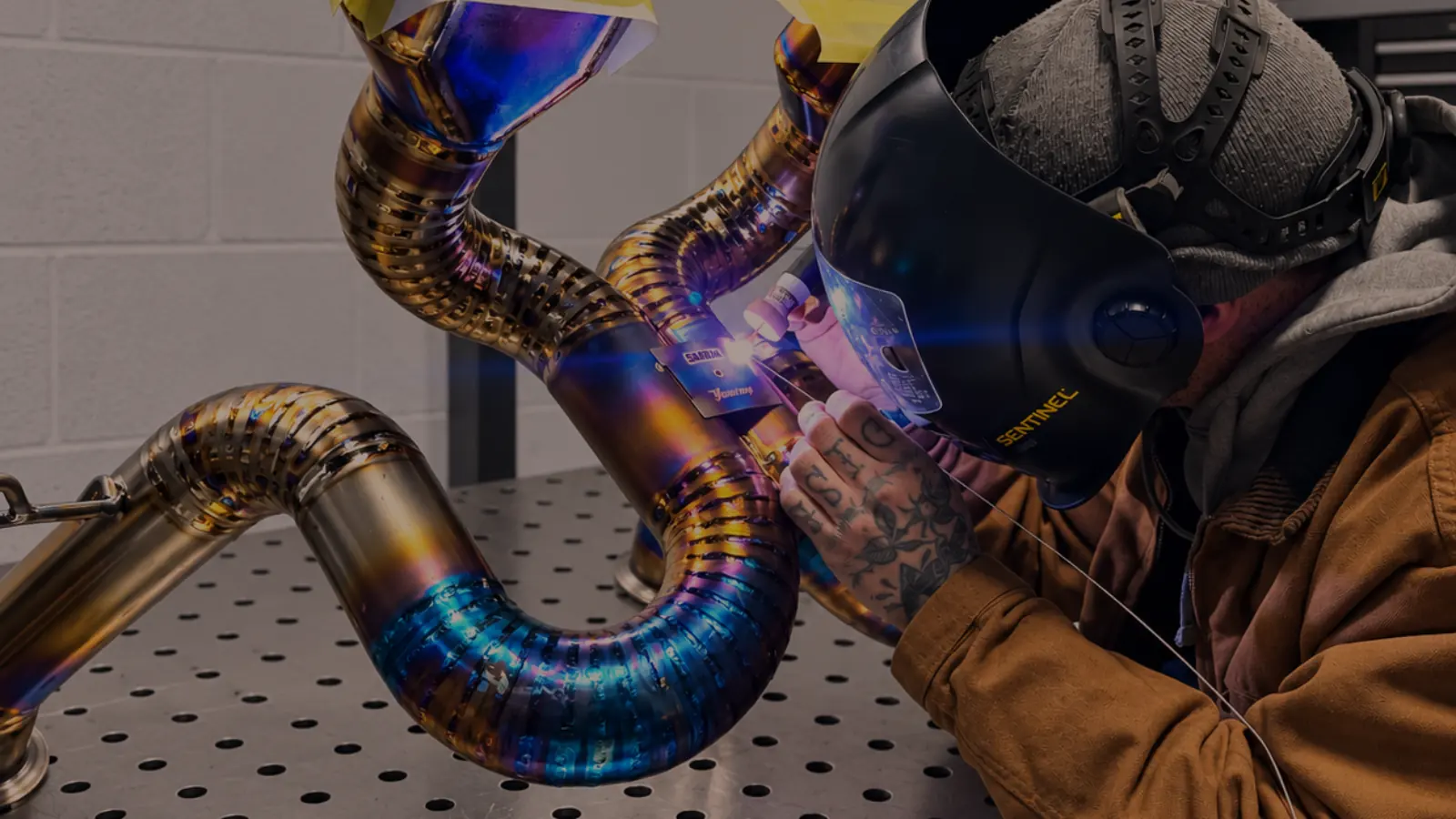
Each part is oriented for the load before it is printed and checked against the model after.
Layer direction decides the strength of a printed part. We set it deliberately, then fit inserts and size the holes.
From the workshop and site
3D printing & prototyping questions
Not covered here? Call or WhatsApp and ask.
Are printed polymer parts strong enough for workshop use?
For the right job, yes. Carbon-fibre nylon jigs, fixtures and brackets are in daily use in machine shops and on production lines. We print the part in the orientation that puts the layers in the right direction for the load, and we say when metal is the better choice.
Which filament should I use?
Carbon-fibre nylon for stiff, wear-resistant parts. Polycarbonate where heat is a concern. ASA for parts outdoors. PETG for general enclosures and covers. TPU where the part needs to flex. We recommend from the application.
How accurate is polymer printing?
Around ±0.2 mm on well-designed parts. Where a bore or location matters we print it undersize and ream it, or fit a metal insert, so the fit is machined rather than printed.
Can you make a part for a machine that is no longer supported?
Yes. Send the worn or broken part. We measure or scan it, model the intended geometry, and print it in a filament suited to the duty.
How does it compare with machining?
Printing wins on speed, on complex shapes and on small quantities where machining time would dominate. Machining wins on tolerance, heavy loads and temperature. For many jigs and fixtures, a printed tool costs a fraction of a machined one.
Can you print in metal as well?
Yes. Stainless, aluminium, titanium and Inconel by laser sintering, covered on the metal 3D printing page. Many parts are proved in polymer first, then printed or machined in metal.
Related services
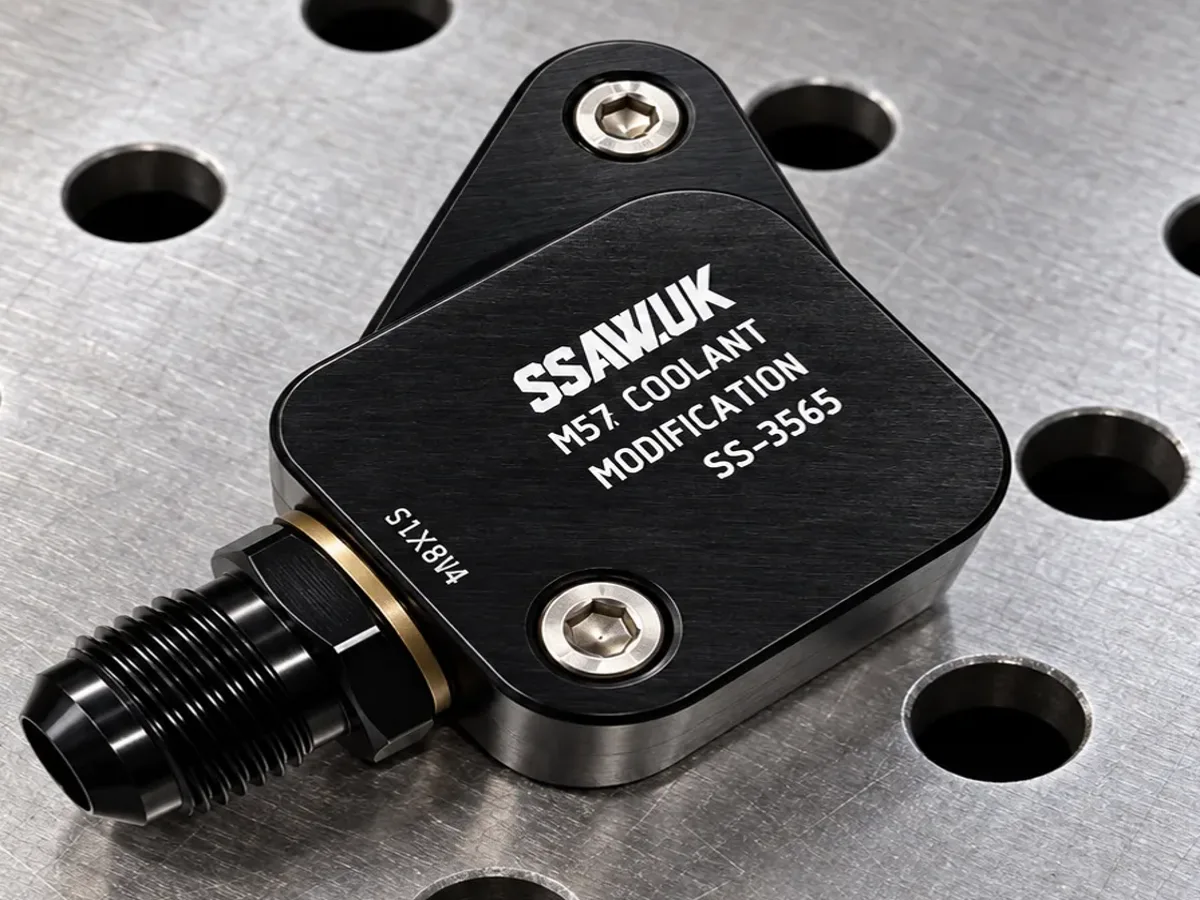
Metal 3D printing
Parts that cannot be machined or cast, built from metal powder with a laser.
Hull · UK-wide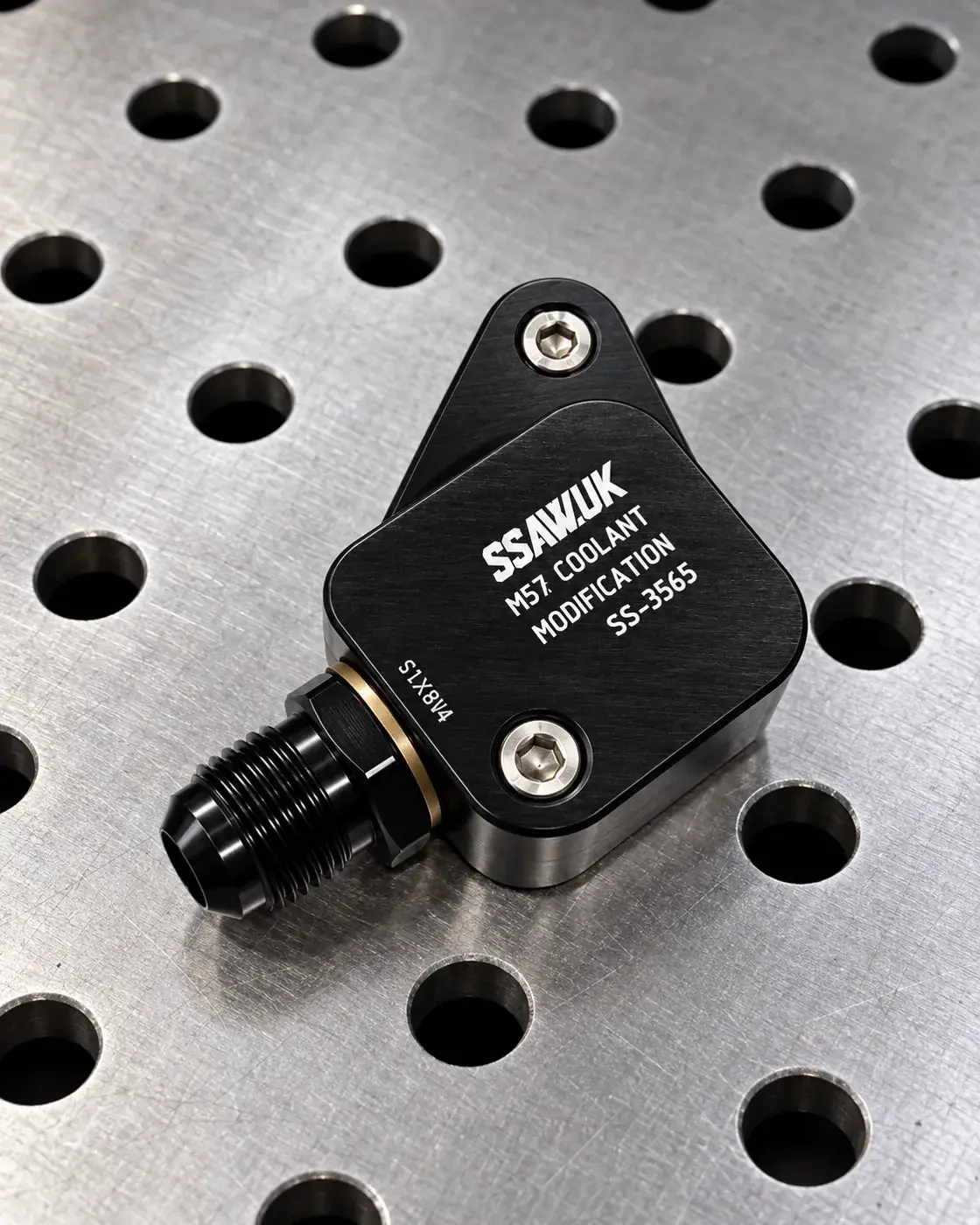
CNC machining
Milled and turned parts in steel, stainless, aluminium, titanium, brass and engineering plastics, machined to your drawing and inspected to it before they leave.
Hull · UK-wide
CAD & drawings
3D models, fabrication drawings, flat patterns and bills of materials, drawn by engineers who also build from them.
Hull · UK-wideSend a photo or a drawing for a price
WhatsApp 07364 137317 · Call 01482 530020 · info@fesk.uk